
Your Rights Upon Arrest in India: A Citizen's Guide
An arrest can be a distressing and confusing event. In such a high-pressure situation, being aware of your fundamental rights is not just an advantage—it is your most essential protection. The Constitution of India and the Code of Criminal Procedure (CrPC) grant every citizen specific rights to ensure fair treatment and prevent the misuse of power. Understanding these rights can empower you to navigate interactions with law enforcement confidently and safeguard your dignity.

The Right to Know the Grounds of Arrest (Section 50 CrPC)
This is your most immediate and fundamental right. A police officer making an arrest must inform you of the full particulars of the offense for which you are being arrested. This is not a courtesy; it is a mandatory legal duty. This right is enshrined in both Article 22(1) of the Constitution and Section 50 of the CrPC. You cannot be arrested on vague or undisclosed grounds. If the offense is bailable, the officer must also inform you that you are entitled to be released on bail.
Right to be Produced Before a Magistrate (Section 57 CrPC)
The police cannot detain you indefinitely. The law mandates that every person who is arrested must be produced before the nearest Judicial Magistrate within 24 hours of the arrest. This period excludes the time necessary for the journey from the place of arrest to the magistrate's court. This crucial safeguard, protected by Article 22(2) of the Constitution, ensures judicial oversight and prevents illegal detentions. Any further detention beyond 24 hours must be authorized by the magistrate.

The Right to Legal Counsel
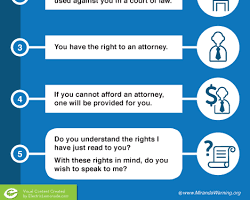
You have the right to meet and be defended by a lawyer of your choice. This right begins the moment you are arrested. You can insist on having your lawyer present during interrogation. If you cannot afford a lawyer, you have the right to free legal aid, and it is the duty of the state to provide one for you. This right ensures that you have expert guidance and that your defense is properly prepared from the very beginning.
Special Rights for Women
The law provides special protections to ensure the dignity and safety of women during the arrest process. These include:
- Time of Arrest: A woman cannot be arrested after sunset and before sunrise, except in exceptional circumstances, and even then, only with the prior permission of a Judicial Magistrate.
- Search by a Female Officer: If a woman needs to be searched, it can only be done by another female officer with strict regard to decency.
- Presence of a Female Officer: A female police officer should be present, as far as practicable, while making the arrest of a woman.

The Right to Remain Silent
You have the "right against self-incrimination," protected by Article 20(3) of the Constitution. This means that you cannot be forced to make any statement or confession that could be used against you. While you must provide your name and address, you have the right to remain silent during questioning. It is a cornerstone of our criminal justice system that the burden of proof is on the prosecution, not on the accused to prove their innocence.
Other Important Rights
Beyond the primary rights, there are other significant protections you should be aware of:
- Right to a Medical Examination (Section 54 CrPC): An arrested person has the right to be examined by a medical practitioner. This can be crucial to establish your physical condition at the time of arrest and can serve as important evidence against any potential custodial violence.
- Right to Inform a Friend or Relative: The police are required to inform a friend, relative, or another person nominated by you about your arrest and the place where you are being detained as soon as you are brought to the police station.
Conclusion
Your rights are not just words in a law book; they are your shield. Knowing that you have the right to be informed, the right to a lawyer, the right to be presented before a magistrate, and the right to remain silent is empowering. It transforms you from a passive subject into an active participant in the legal process. By being aware and assertive about these protections, every citizen can help ensure that justice is not just done, but is also seen to be done.
Disclaimer: This blog post is for informational purposes only and does not constitute legal advice. It is recommended to consult with a qualified legal professional for advice regarding your specific case.